
Project tokens have quietly become the structural backbone of digital economies, coordinating how people access, participate in, and earn value across games, collectibles, and online communities. There’s no denying that the shift is already underway: major gaming platforms, character-driven IP ecosystems, and creator communities are all building token-based systems into their core mechanics. This article examines what project tokens are, how they function across interconnected digital environments, and why explaining their value and availability with precision matters for both credibility and regulatory compliance.
What Project Tokens Are and What They Enable
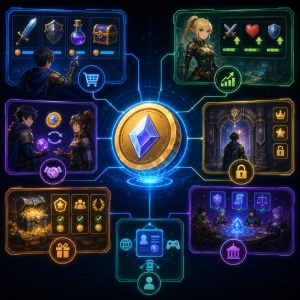
Digital units issued within a specific platform or ecosystem, project tokens function as programmable instruments tied to defined rules and permitted uses. Unlike general-purpose cryptocurrencies, they are scoped to a particular environment – a game, a creative community, or a branded digital world – and their value to users comes from what they actually do within that system.
In gaming contexts, tokens typically serve as the medium for purchasing items, upgrading characters, or facilitating trades between players without requiring external currency. Access-gating is another common application: holding a minimum token balance can trigger early content releases, premium experiences, or participation in governance decisions.
Reward structures represent a third distinct function. Platforms issue tokens to recognize creator contributions, incentivize consistent participation, or operate loyalty programs with transparent, auditable rules.
Broader digital utility extends further still. Some tokens act as portable identity credentials or interoperability keys, granting holders specific entitlements across connected platforms rather than within a single closed system.
How Tokens Connect Games, Collectibles, Character Worlds, and Communities
A single token operating across multiple environments is where the structural advantage of digital economies becomes apparent. Rather than siloing value inside one game or platform, a well-designed token can carry meaning across experiences, linking gameplay progression, collectible ownership, and community access within one coherent system.
Consider a character-led world where a user earns tokens through gameplay, then applies those same tokens to access limited-edition collectibles or vote on story direction. That continuity of identity and value across contexts is what makes token economies genuinely different from conventional loyalty programs.
Community features follow naturally. Governance participation, event access, and contribution-based rewards all become expressions of the same underlying token logic.
There’s no denying that infrastructure determines whether this works in practice. Interoperability between platforms, clear rules about token supply, and sustainable demand for utility are not optional. Without them, even creatively ambitious token ecosystems tend to fragment under their own complexity.
Clear Utility Narratives Build Trust in Digital Economies

Describing what a token actually does is harder than it sounds, and most projects get it wrong by drifting into promotional language that implies financial upside without saying so directly.
Functional transparency means explaining supply mechanics plainly: how many tokens exist, how they enter circulation, whether they can be spent, redeemed, or exchanged within a specific platform, and under what conditions access is restricted. A project might distribute tokens through gameplay milestones, community participation, or direct purchase, and each pathway carries different implications for users who need to understand what they’re actually receiving.
Regulatory sensitivity makes this discipline increasingly non-negotiable. As digital economies mature, audiences and regulators alike expect clearer disclosure around ownership rights, liquidity constraints, and economic design. Framing tokens as functional instruments rather than appreciating assets isn’t just legally prudent; it shapes whether communities trust the governance structures built around them.
Projects that separate utility from speculation tend to attract more durable user bases.
Utility, Not Hype, Sustains Token Economies
Durable token economies are built on clearly articulated use cases, not speculative appeal. When tokens serve genuine functions – granting access to game features, rewarding community participation, enabling trades within collectible ecosystems, or anchoring character-world interactions – they earn relevance through consistent utility rather than market excitement. Transparent communication about how tokens work, what governs their availability, and why they hold value within a specific system is what separates sustainable digital economies from short-lived ones. Avoid framing tokens as investment vehicles; their strength lies in coordinating behavior across games, communities, and creative worlds in ways that participants can understand and trust.
